
Arabica & Robusta. Hangisini Seçmeli?
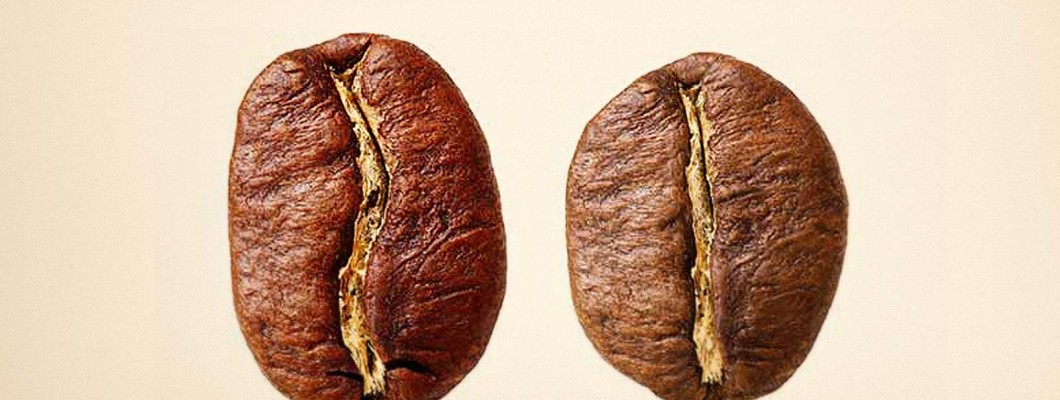
%100 Arabica... Arabica ve Robusta Karışımı... gibi terimleri kahve etiketlerinin üzerinde sürekli olarak görürüz. Anlamı nedir? Aradaki fark nedir? Hangisi daha iyidir? Bu yazımızda, bunlar gibi sorulara biraz olsun cevap vermeye çalışacağız.
Dünya genelinde 80 kadar farklı kahve çeşidi bulunmaktadır. Bunlar arasından Arabica ve Robusta, her ikisi de Afrika kökenli ve dünyanın en çok yetiştirilen kahve çeşitleridir. Bilimsel adı Coffea canephora olan Robusta çekirdeği dünya toplam üretiminin %25'ini oluşturmaktadır. Arabica kahve ise, yaklaşık dünya üretiminin %70'ini oluştursa da bunun sadece %10'u 'gurme' olarak adlandırabileceğimiz kalite seviyesindedir..
Hikayeye göre, Etiyopyalı bir çoban, keçilerinin bir ağacın meyvelerini yedikten sonra çok fazla enerji kazandıklarını ve çok hızlı hareket etmeye başladıklarını farkeder. Arabica kahve bu şekilde keşfedilir. Yine aynı çoban bu keşfini yakındaki bir monastır ile paylaşır. Din adamları kahve meyvelerini sallama usulüyle içeceğe dönüştürür ve uzun dua seanslarında uyanık kalmak için kullanırlar. İki din adamının meraktan meyveleri ateşin yanına koyarak kurutmasıyla da ilk kahve kavurma işlemi gerçekleşmiştir. Doğru ya da yanlış, Arabica Kahvenin bilinen keşif hikayesi bu şekildedir.
Robusta çekirdeği, Arabica'ya göre çok daha kolay yetişmektedir. Ağaç donma dışında neredeyse tamamen dayanıklıdır ve hızlı şekilde meyve vermektedir. Arabica meyvenin daha zor şartlarda yetişmesi, daha kaliteli olması, ve tat unsurlarından dolayı bir kahve paketinde Arabica olaranı yükseldikçe, fiyatı da yükselecektir.
Tabi ki Arabicanın ticari değerini arttıran sadece meyvesinin yetişme zorlukları değildir. Robusta kahve, Arabica'ya göre daha fazla kafein içerir. Arabica'ya göre daha alçak yerlerde yetişen Robusta çekirdeğinin tadı daha acı ve daha keskindir. Arabica çekirdeği ise daha yumuşak, ince ve çoğunlukla hafif bir meyve aromasına sahiptir..
Tabi ki bütün bunlar genel bilgilerdir. Kalitesi düşük biri Arabica çekirdeği, kalitesi yüksek bir Robusta çekirdeğinden daha acı ve lezzetsiz olabilir. Ayrıca kahveye yoğunluk ve krema vermesi için de Robusta önemli bir tercih sebebidir. Öyle ki bir çok markanın en çok beğenilen kahveleri düşük miktarda yüksek kaliteli Robusta çekirdeklerinin, yine yüksek kaliteli Arabica çekirdekleri ile harmanından oluşmaktadır.
Özetle, bir kahvenin %100 arabica olması, o kahveyi robusta karışımlı bir kahveden daha lezzetli yapmamaktadır ve yine unutulmamalıdır ki, kahvenin Arabica mı yoksa Robusta mı olmasından daha önemli olan konu, kavurulmasıdır.
Kahve çekirdeklerinin aromalarının ortaya çıkması için kavrulmaları gerekmektedir. Kavrulma işlemi kahve çekirdeğinin içerdiği tüm tatların serbest kalmasını sağlamaktadır, fakat bu tatlar belli bir süreden sonra giderek yok olmaya başlar. O yüzden kavrulma işlemini tam ayarında yapmak gerekmektedir. Kavrulma işlemi uzadıkça kahve çekirdeğinin aroması ölmekte ve giderek acılaşma ve tütsülü, acı bir tat vermektedir. Çoğu üreticiler, kahve çekirdeklerinin kalitesizliğini saklamak için kavrulma işlemini uzun tutmaktadır. Ama sonuçta, bu bir damak tadı meseledir ve uzun kavrularak acı tada ulaşmış kahve de bir çok kişi tarafından sevilmektedir.



Yorum Yap